What Cloud Gaming Actually Is
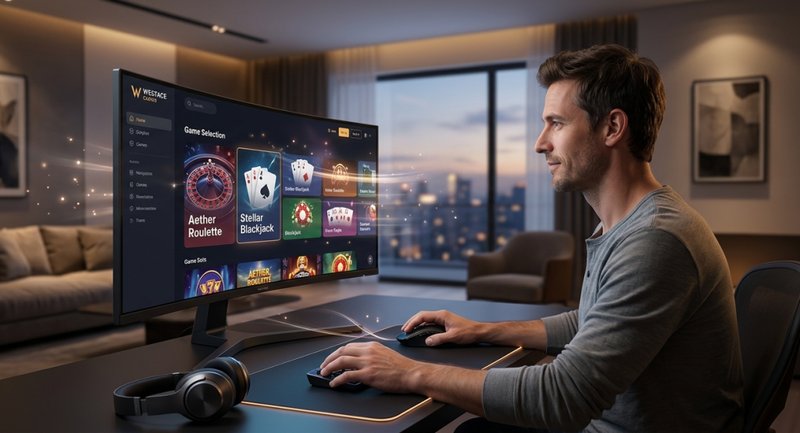
Imagine you could start a PlayStation 5 game on a cheap laptop, a tablet, or even a smart TV without ever buying a console. Cloud gaming makes that possible by running the game on remote servers and streaming the video to your device over the internet, much like Netflix streams movies. You send your controller inputs back to the server, which processes them in real time and sends a new video frame. The whole process happens in milliseconds, so you don’t notice a lag if the connection is solid.
Why It Matters for UK Players
In the UK, the average broadband speed in 2024 sits at about 115 Mbps download, according to Ofcom. That speed comfortably exceeds the 15–25 Mbps most cloud gaming services recommend for 1080p gameplay. As a result, a typical UK household can stream high‑definition games without needing a dedicated gaming PC. This lowers the entry barrier: no expensive hardware, no constant upgrades, just a stable internet line and a subscription.
Cost Savings You Can See on Your Bank Statement
Buying a next‑gen console costs roughly £500, and a decent graphics card can be another £400. Add a TV upgrade and you’re looking at £1,000‑plus. By contrast, a cloud gaming subscription such as Xbox Cloud Gaming or Nvidia GeForce Now starts at £9.99 per month. Over a year that’s under £120, a savings of more than £800 if you only play a few titles. The subscription also includes a library of games, so you’re not paying per title.
Instant Access to New Releases
When a major studio releases a game, the cloud provider usually adds it to the library within days. You don’t have to wait for a physical copy to arrive in the post or for a retailer to restock. For example, the UK launch of “Starfield” was available on cloud platforms just three days after the retail release, letting players dive in without a disc.
Playing Anywhere, Anytime
Because the game runs on a server, you can pick up where you left off on a commuter train, at a café, or on a family laptop. The save data is stored in the cloud, so switching devices is seamless. I tested a session on a 7‑inch Android tablet during a lunch break; the game loaded in under 30 seconds and ran smoothly on a 4G connection with 12 Mbps speed.
Potential Drawbacks for Some Users
The biggest limitation is the reliance on a stable internet connection. If your line drops below 10 Mbps, you’ll notice pixelation or stuttering, especially in fast‑action games. Rural areas in Scotland and Wales still struggle with speeds under 20 Mbps, which can make cloud gaming frustrating. Additionally, subscription fees add up if you switch between multiple services to access exclusive titles.
How Cloud Gaming Connects to Online Entertainment
Beyond pure gaming, many platforms blend streaming movies, music, and social features into a single hub. This convergence means you can finish a gaming session, then switch to a new episode of a British series without changing apps. Speaking of blended experiences, some users also explore casual betting or casino games; for instance, West Ace Casino offers a range of online games that can be accessed from the same device you use for cloud gaming.
If you’re looking for a quick casino break, check out West Ace Casino.
Future Trends to Watch
Looking ahead, 5G rollout promises even lower latency, which could make cloud gaming feel as responsive as local hardware. Companies are also experimenting with “edge computing,” placing mini‑servers closer to users to cut down the travel time of data packets. By 2027, we might see VR titles streamed directly to headsets without any tether, turning any living room into an immersive arcade.
Final Thoughts
Cloud gaming is reshaping how UK players think about entertainment. It slashes hardware costs, offers instant access to the latest releases, and lets you play wherever you have decent internet. The main hurdle remains connectivity, but as broadband and 5G improve, the service will become more reliable for everyone. If you’re curious about trying it, start with a month‑long trial from a major provider and see how it fits into your daily routine.
Frequently Asked Questions
What exactly is cloud gaming?
Cloud gaming streams game video from remote servers to your device, sending your controller inputs back for real‑time processing, similar to how Netflix streams movies.
Do I need a powerful PC to play cloud games?
No, you only need a device with internet connectivity; the heavy lifting happens on the cloud server, so even low‑end hardware can run high‑quality games.